





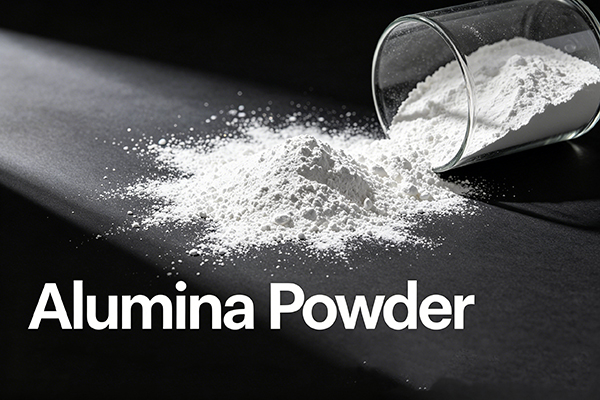
Alumina Powder (Al2O3): A Technical Guide to Grades, Properties, and Applications
Introduction
If you're specifying alumina powder for advanced ceramics, you already know it's not a one-size-fits-all material. The difference between 92% and 99.8% purity isn't just a number — it affects wear life, chemical resistance, thermal stability, and ultimately your product's reliability.
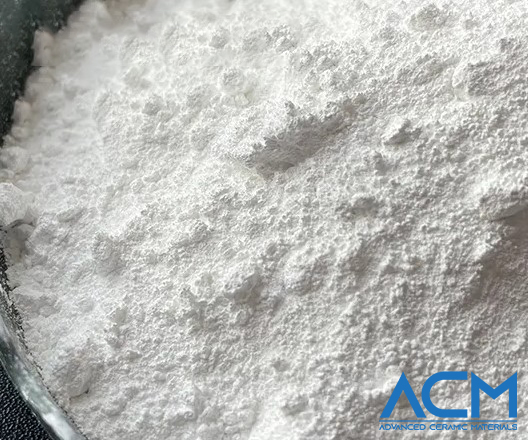
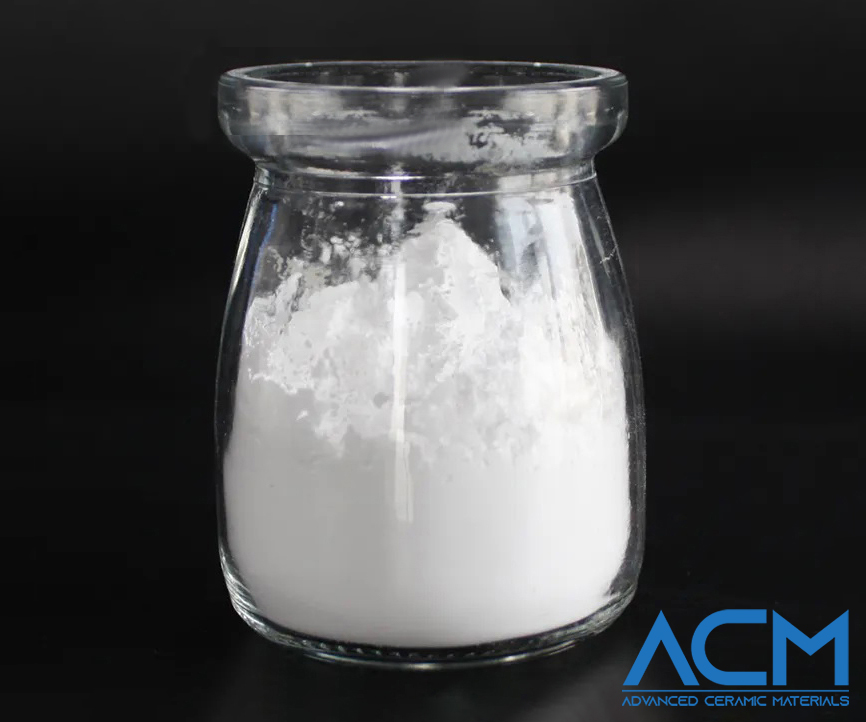
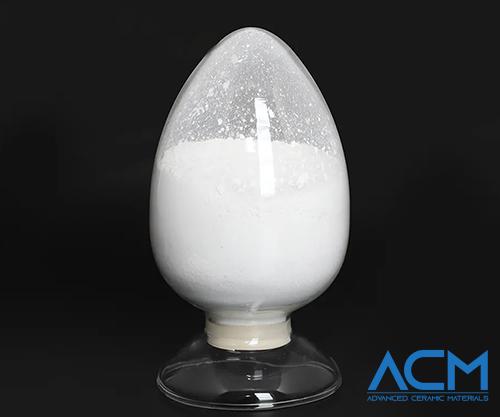
At ACM, we supply high-purity alumina powder (Al₂O₃) across a range of grades, from 92% to 99.99%. This guide walks you through how to choose the right type and purity for your application. We've written it for engineers, procurement specialists, and researchers who need practical answers — not marketing fluff.
How to Choose the Right Alumina Grade
We've found that most customers over-specify purity on their first try. That drives up cost without adding real value. Here's a simple decision tree we use internally at ACM when helping customers select a grade.
Step 1 – Do you need enhanced fracture toughness?
-
Yes → Consider ZTA (zirconia-toughened alumina).
-
No → Move to Step 2.
Step 2 – What's the primary failure risk?
-
Thermal shock or extreme heat (furnaces, refractories) → Start with tabular alumina.
-
Chemical attack or high-purity requirement (semiconductors, medical implants) → Start with calcined alumina.
-
Glaze adhesion or color enhancement (ceramic coatings) → Start with hydrated alumina.
Step 3 – Find the lowest viable purity
-
Use the table in the next section. Start at the higher-purity end, then work downward until you hit your performance floor. The right grade is often two or three steps down from "maximum purity."
Three Main Types of Alumina Powder
Not all alumina powders are processed the same way. The differences come down to heat treatment and impurity profiles (iron, silica, and soda content).
| Type | Typical Purity | Key Characteristics | Best Suited For |
|---|---|---|---|
| Calcined Alumina | 99.9% | Heated to 1050°C to remove water and volatiles; very low impurities | Semiconductor components, medical implants, laser optics |
| Tabular Alumina | ~99%+ | Sintered calcined alumina; dense and thermally shock resistant | Refractories, high-temperature kiln furniture |
| Hydrated Alumina | Varies | High melting point; improves glaze adhesion and color | Ceramic glazes, pigment carriers |
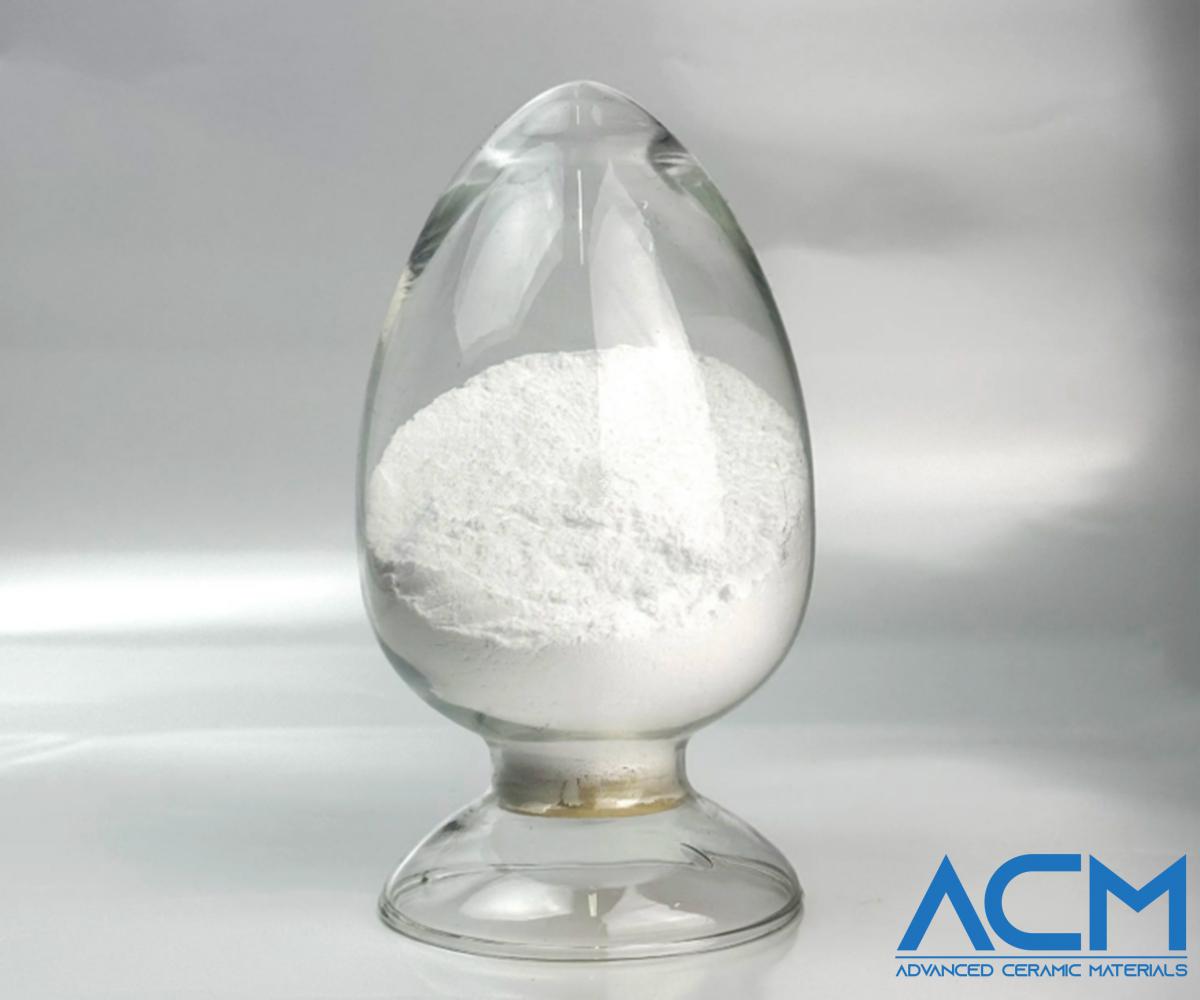
At ACM, we stock all three types. Most of our customers in the semiconductor and medical industries use calcined grades. Refractory buyers typically go with tabular.
Purity-to-Application Reference Table
This table reflects real-world usage we've seen across ACM's customer base. The "Engineering Note" column tells you what matters most for each grade.
| Purity | Typical Applications | Why This Grade Works | ACM Engineering Note |
|---|---|---|---|
| 99.9% | Nuclear-grade insulators, plasma etch components | Electrical insulation + plasma resistance | Expensive. Only specify if your process absolutely requires it. |
| 99.8% | Semiconductor chamber liners, susceptors | Plasma resistance + high dielectric strength | A common choice for CVD and etch tools. |
| 99.7% | Laser reflectors | 98% reflectance at 1064 nm | Optical-grade. Not a standard ceramic grade. |
| 99.5% | Semiconductor fixtures, process chambers | Electrical insulation + chemical inertness | Better cost-to-performance than 99.8% for many applications. |
| 99.0% | Rotary components, chemical pump parts | Hardness + wear resistance + chemical resistance | A good starting point for labware and general industrial use. |
| 98.6% | Military vehicle armor | Lightweight + impact absorption | Purity is traded for weight reduction. |
| 97.6% | Laser components, X-ray tubes | Dimensional stability across temperature swings | Works well in electro-optical devices. |
| 96.0% | Medical device nozzles, blood valve housings | Balanced electrical, chemical, and mechanical properties | Common in implantable devices. |
| 95.0% | Ceramic-to-metal feedthroughs, body armor | Flexural strength + hermeticity | Good for metalized ceramics. |
| 94.0% | Bearing coatings, pressure sensors | Low thermal expansion + dielectric constant | Often specified with manganese metal coating. |
| 92.0% | Electrical packaging, grinding media | Dense and non-porous | Cost-sensitive applications. Don't expect high chemical resistance. |
ACM offers all purities listed above. Contact us for specifications and COA samples.
Six Key Properties (And Why They Matter to You)
Here's what each property means in practical terms.
| Property | Typical Value | Why It Matters |
|---|---|---|
| Density | Grain size 3–5 microns after firing | Fewer voids = higher wear resistance = longer part life |
| Max service temperature | 1650°C (air) / 2000°C (vacuum) | Can replace superalloys in high-temperature furnaces and heat exchangers |
| Hardness | HRA 80–90 | Low wear rate in grinding media and mill linings |
| Chemical inertness | Resists most solvents, acids, and alkalis | Suitable for chemical processing equipment and labware |
| Dielectric strength | No dielectric loss | Works for high-voltage insulators and RF windows |
| Thermal shock resistance | Withstands rapid temperature changes | Refractories and kiln furniture don't crack easily |
ZTA: When Standard Alumina Isn't Tough Enough
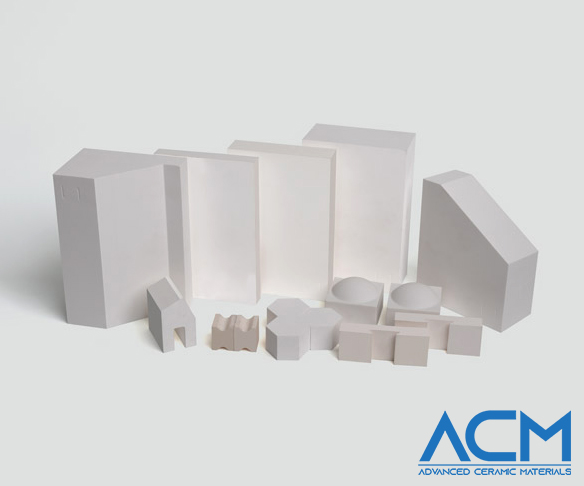
Zirconia-toughened alumina (ZTA) is a composite. You mix 10–20% ZrO₂ into the alumina matrix. The result is a material that keeps most of alumina's hardness but adds significant fracture toughness.
When do ACM customers choose ZTA over standard alumina?
- Structural components that see mechanical impact
- Cutting tools and wear parts in abrasive environments
- Applications where a pure alumina part has failed by cracking
The trade-offs:
- Higher material cost
- Dielectric properties may be lower than pure alumina
- Not always necessary — we've seen customers switch to ZTA when 99.5% alumina wasn't quite tough enough, but 99.0% would have worked if they had tried it first.
ACM supplies ZTA with ZrO₂ content from 10% to 20%, customizable to your target properties.
Safety and Handling
Alumina powder is not immediately dangerous, but fine particles can irritate your respiratory tract, eyes, and skin.
ACM's recommended handling practices:
- Use N95 masks or better when handling dry powder
- Wear safety glasses and gloves
- Work in a ventilated area or under a fume hood
- Store in dry conditions — moisture can cause agglomeration
For detailed safety information, ACM provides a Safety Data Sheet (SDS) based on your requirement. Contact us if you need REACH or other regional compliance documentation.
Conclusion and Next Steps
Selecting the right alumina powder comes down to three questions:
- Do you need ZTA's toughness? If yes, start there.
- Is thermal shock your main concern? If yes, tabular alumina.
- For everything else: find the lowest purity that meets your performance requirements. That's where the real cost savings are.
*Advanced Ceramic Materials (ACM) — High-purity alumina powder, from 92% to 99.99%. Supplied worldwide with batch traceability and technical support.*

{{item.content}}
LEVE A REPLY
{{item.children[0].content}}
{{item.content}}
LEAVE A REPLY
SUBSCRIBE OUR NEWSLETTER
- Oxide, Sulfide, or Phosphate? A Supplier's Guide to Solid-State Electrolyte Ceramics
- Alumina vs. Zirconia Ceramics: The Engineering Blueprint for Material Selection
- Case Study: Sub-Millimeter Sapphire Tubes for High Voltage Discharge Applications
- Ceramic Machining: Essential Techniques and Processes for Precise Components
- The Melting Behavior of Ceramics: A Technical Guide for High-Temperature Applications
 Ceramic Machining: Essential Techniques and Processes for Precise Components
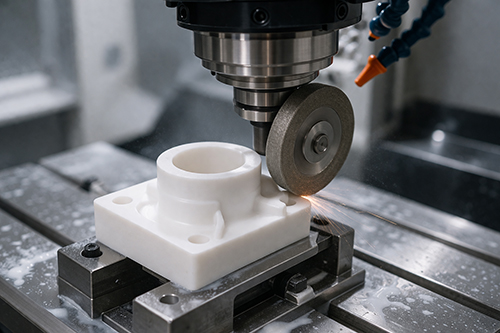
This article explains ceramic machining in plain language. It covers how ceramic items are produced, the role of machining in shaping these products, and methods such as grinding, milling, and CNC machining.
READ MORE >
Ceramic Machining: Essential Techniques and Processes for Precise Components
This article explains ceramic machining in plain language. It covers how ceramic items are produced, the role of machining in shaping these products, and methods such as grinding, milling, and CNC machining.
READ MORE >
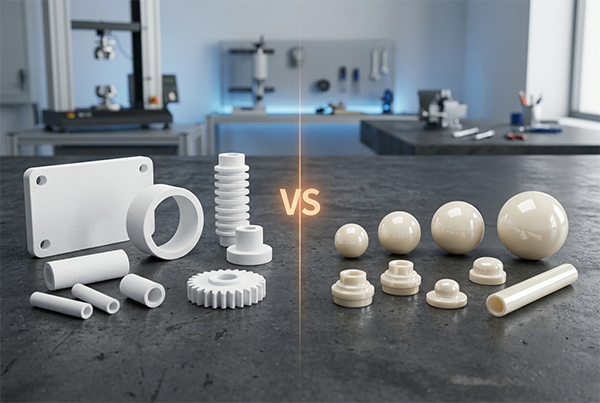 Alumina vs. Zirconia Ceramics: The Engineering Blueprint for Material Selection
This article compares their physical properties, real-world trade-offs, and cost-benefit realities to help you select the right ceramic for your operating environment.
READ MORE >
Alumina vs. Zirconia Ceramics: The Engineering Blueprint for Material Selection
This article compares their physical properties, real-world trade-offs, and cost-benefit realities to help you select the right ceramic for your operating environment.
READ MORE >
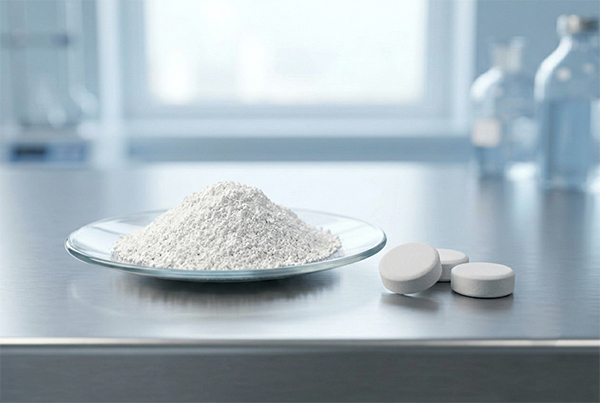 Oxide, Sulfide, or Phosphate? A Supplier's Guide to Solid-State Electrolyte Ceramics
Oxide, sulfide, or phosphate? A practical guide to solid-state electrolyte ceramics from a supplier who handles them daily. Compare LLZO, LATP, and LGPS on conductivity, processing, stability, and real-world viability.
READ MORE >
Oxide, Sulfide, or Phosphate? A Supplier's Guide to Solid-State Electrolyte Ceramics
Oxide, sulfide, or phosphate? A practical guide to solid-state electrolyte ceramics from a supplier who handles them daily. Compare LLZO, LATP, and LGPS on conductivity, processing, stability, and real-world viability.
READ MORE >