




Silicon Carbide (SiC)
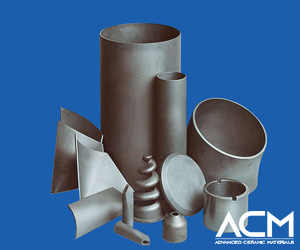
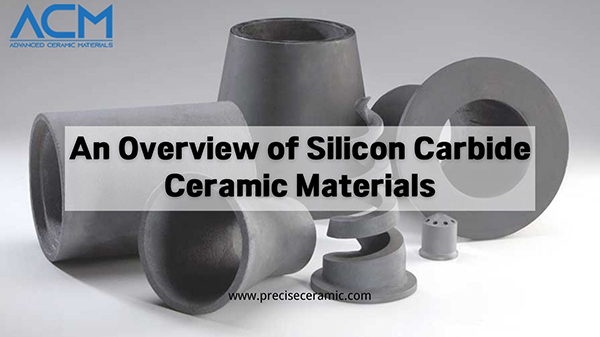
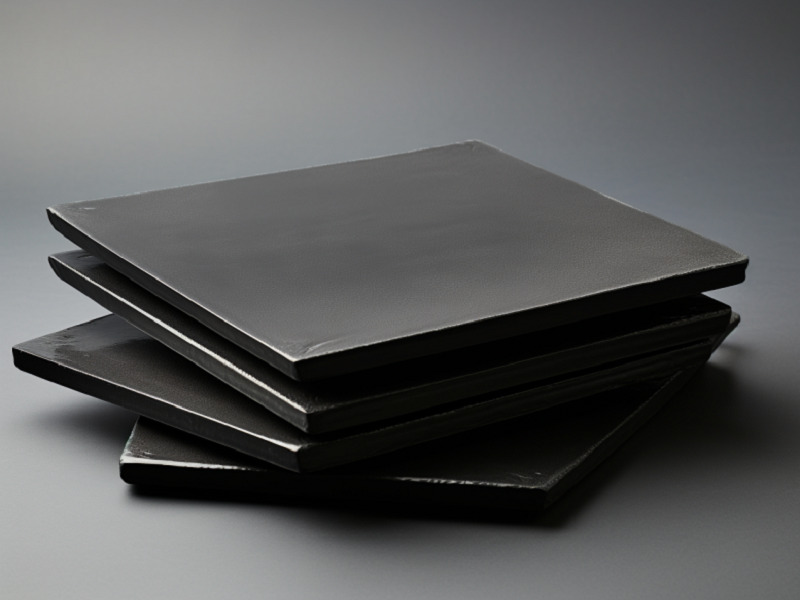
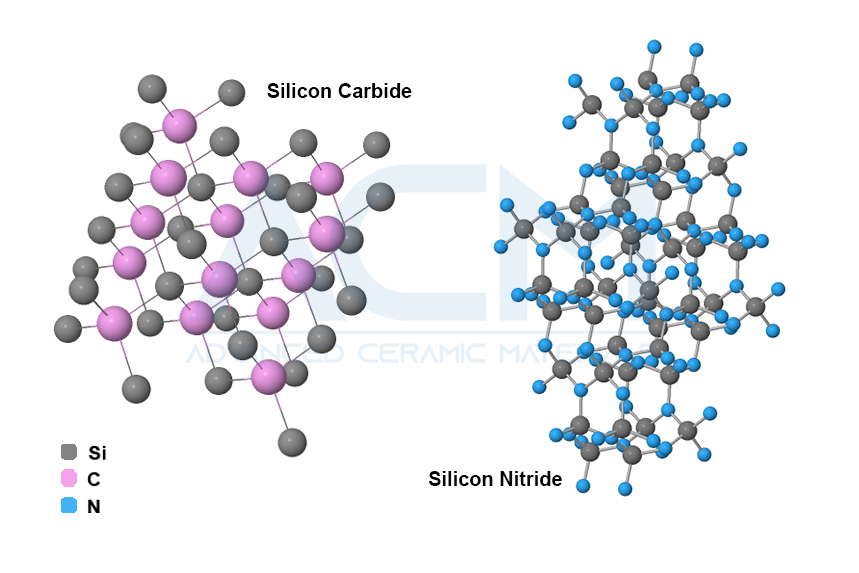
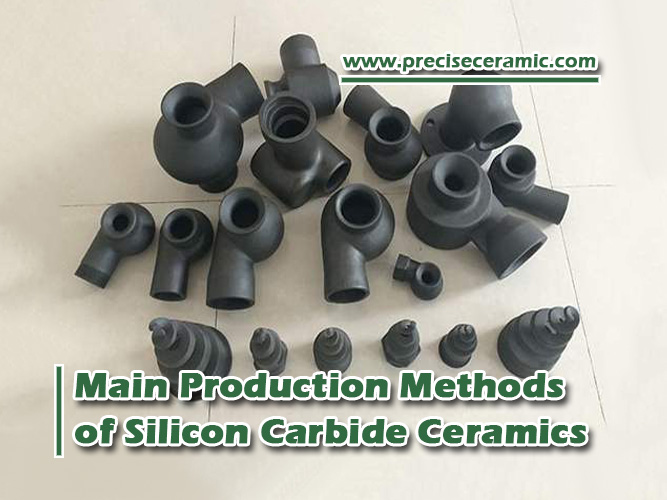
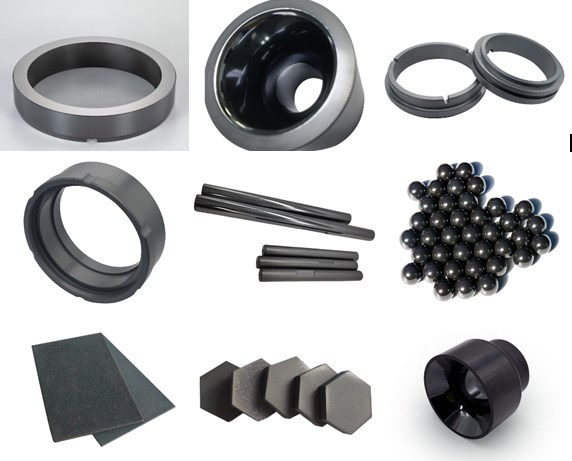
Silicon carbide (SiC) is a lightweight, exceptionally hard technical ceramic known for its excellent thermal conductivity, wear resistance, corrosion resistance, low thermal expansion, and high-temperature stability. With a melting point of 2730°C and hardness above 9 Mohs, SiC is widely used in mechanical seals, bearings, nozzles, semiconductor components, heat exchangers, abrasives, and aerospace applications.
We offer multiple SiC types: Reaction Bonded (RBSC), Sintered (SSiC), and Recrystallized (RSiC). Use the comparison table below to find the right grade for your application.
Compare the properties of RBSC, SSiC, and RSiC below, then explore our silicon carbide ceramic products to find the right material for your application.
More Info About Silicon Carbide
Products | Specification | SiC Types | Applications | FAQs | Safety Data Sheet
Advantages of Silicon Carbide Ceramics
Silicon carbide ceramics combine excellent mechanical, thermal, and chemical properties, making them one of the most versatile advanced ceramic materials for industrial applications.
- Extremely high hardness and wear resistance
- Excellent corrosion resistance
- High thermal conductivity
- Low thermal expansion coefficient
- Outstanding thermal shock resistance
- High-temperature stability
- Lightweight compared with many metal alternatives
- Excellent mechanical strength at elevated temperatures
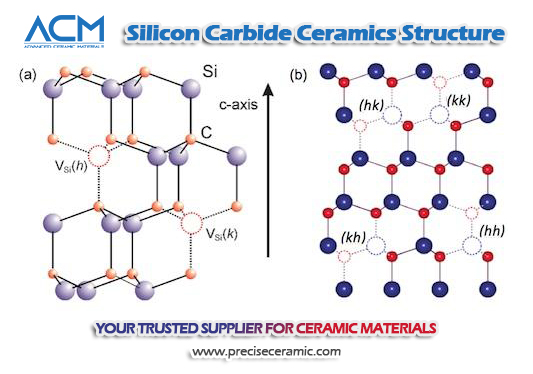
Specification
| Compound Formula | SiC |
| Molecular Weight | 40.1 |
| Appearance | Black |
| Melting Point | 2,730° C (4,946° F) (decomposes) |
| Density | 3.0 to 3.2 g/cm3 |
| Electrical Resistivity | 1 to 4 10x Ω-m |
| Poisson's Ratio | 0.15 to 0.21 |
| Specific Heat | 670 to 1180 J/kg-K |
Types of Silicon Carbide Ceramics: RBSC, SSiC, and RSiC
| Attribute | Reaction-bonded Silicon Carbide (RBSC) | Sintered Silicon Carbide (SSiC) | Recrystallized Silicon Carbide (RSiC) |
|---|---|---|---|
| Color | Gray to black | Black | Light gray |
| Operating Temperature (°C) | Up to 1400 | Up to 2000 | Up to 2000 |
| Density (g/cm³)** | 3.00 – 3.10 | 3.10 – 3.20 | 2.70 – 2.85 |
| Hardness (Mohs scale) | 9 | 9+ | 9+ |
| Flexural Strength (MPa) | 250 – 300 | 400 – 500 | 150 – 250 |
| Compressive Strength (MPa) | 1800 – 2000 | 2200 – 2500 | 800 – 1200 |
| Thermal Conductivity (W/m·K) | 120 – 140 | 110 – 130 | 60 – 70 |
| Coefficient of Thermal Expansion (10??/°C) | 4.5 – 5.0 | 4.0 – 4.5 | 4.5 – 5.0 |
| Water Absorption (%) | < 0.1 | < 0.1 | 10 – 15 |
| Straightness | High precision, but affected by free silicon | Excellent, precision shapes possible | Good, but porosity can affect precision |
| Process | Mix coarse SiC, silicon, and plasticizers, heat, shape, and machine | Mix fine SiC with sintering aids, heat at 2000°C | Heat pure SiC at 2000°C, recrystallize |
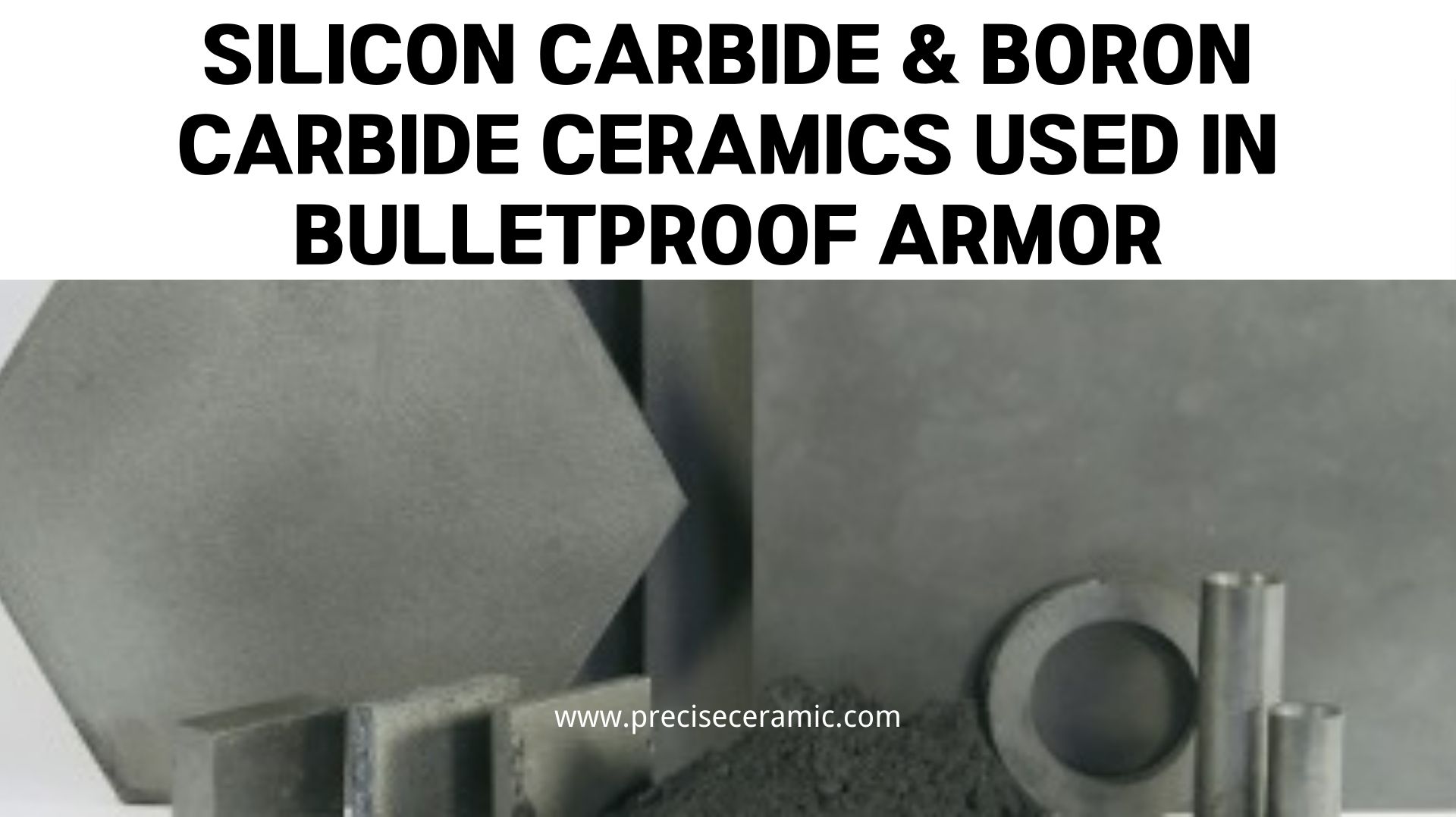
| Applications | Kiln furniture, wear parts, seals, vanes | Seals, pumps, nozzles, bulletproof vests | High-temperature components, thermal applications |
| Advantages | Low cost, easy to machine | High hardness, wear and corrosion resistance | High purity, excellent thermal shock resistance |
| Disadvantages | Contains free silicon, limited to low temps (<1400°C) | Expensive, complex process | High porosity (10-15%) |
Further Reading: 3 Main Production Methods of Silicon Carbide Ceramics
Silicon Carbide Applications
Silicon carbide (SiC) ceramics are widely used in applications requiring high hardness, excellent thermal conductivity, corrosion resistance, and high-temperature stability.
Common applications include:
Mechanical Seals and Wear Components
SiC is widely used for mechanical seals, bearings, valve seats, and wear-resistant components due to its excellent hardness, abrasion resistance, and corrosion resistance.
Applications include:
- Mechanical seal faces
- Sliding bearings
- Valve seats
- Wear parts
- Nozzles
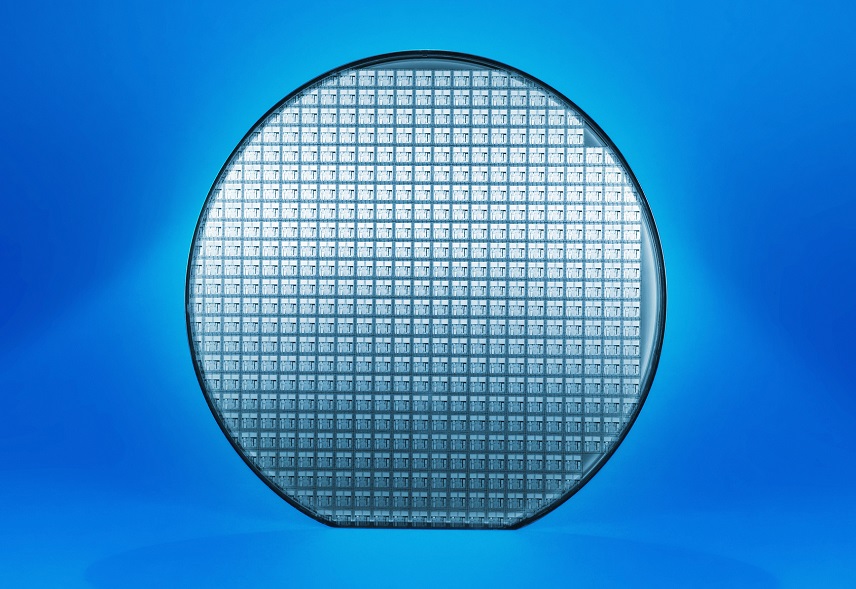
Semiconductor and Power Electronics
With high thermal conductivity and excellent performance at high temperatures, SiC is an important material for semiconductor and power electronic applications.
Applications include:
- Semiconductor components
- Power electronics
- High-temperature electronic devices
Read more: Why is Silicon Carbide Used in Semiconductors
High-Temperature Components
SiC maintains excellent strength and thermal shock resistance under extreme temperatures, making it suitable for thermal processing equipment.
Applications include:
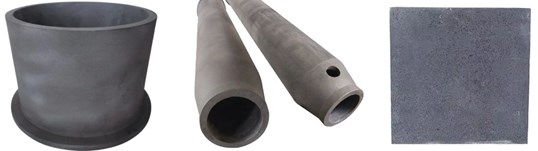
- Kiln furniture
- Furnace components
- Burners
- Heat exchangers
Aerospace and Advanced Applications
The lightweight, high-strength properties of SiC make it suitable for demanding aerospace and advanced engineering applications.
Applications include:
- Aerospace components
- Ceramic matrix composites (CMCs)
- Thermal protection components
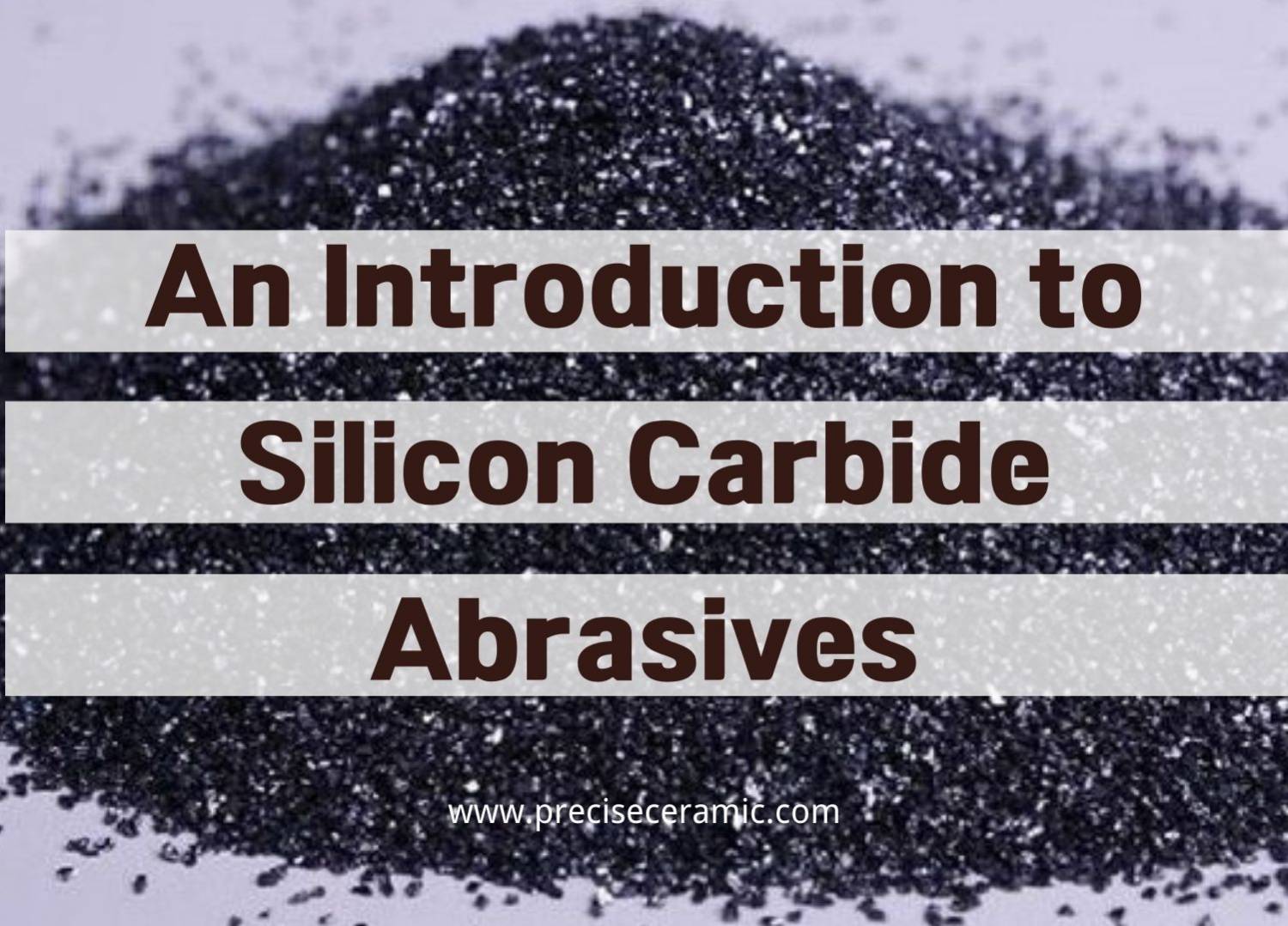
Abrasives and Cutting Tools
Due to its high hardness, silicon carbide is widely used as an abrasive material.
Applications include:
- Grinding wheels
- Cutting tools
- Polishing materials
Read more: An Introduction to Silicon Carbide Abrasives
ACM Ceramic Product Categories
Your Silicon Carbide Ceramics Supplier
Advanced Ceramic Materials (ACM) supplies reaction bonded, sintered, and recrystallized silicon carbide ceramics for wear-resistant, semiconductor, thermal management, and high-temperature applications. We offer both standard products and custom SiC components to meet diverse industrial requirements.
 Preview
 Download


| Chemical Formula | SiC |
| Mechanical | |
| Density | 3.22 g/cm3 |
| Hardness | 9.2 Mohs |
| Modulus of Elasticity | 410 GPa |
| Flexural Strength | 550 MPa |
| Compressive Strength | 3.0 GPa |
| Poisson's Ratio | 0.14 |
| Fracture Toughness | 3.0 MPa·m¹/² |
| Electrical | |
| Dielectric Strength | 3.0 x 10⁶ V/cm |
| Dielectric Constant | 9.7 (@ 1 MHz) |
| Volume Resistivity | 104 - 106 ohm·cm |
| Thermal | |
| Coefficient of Thermal Expansion | 4.0 x 10^-6 /°C |
| Thermal Conductivity | 120-270 W/(m*K) |
| Specific Heat | 0.69 J/g·K |
| Shock Resistance | - |
| Maximum Working Temperature | 1650 °C |